The Future of Compression Molding Technology and Its Impact on Hardware Manufacturing
Understanding Compression Molding Technology
Overview of Compression Molding Processes
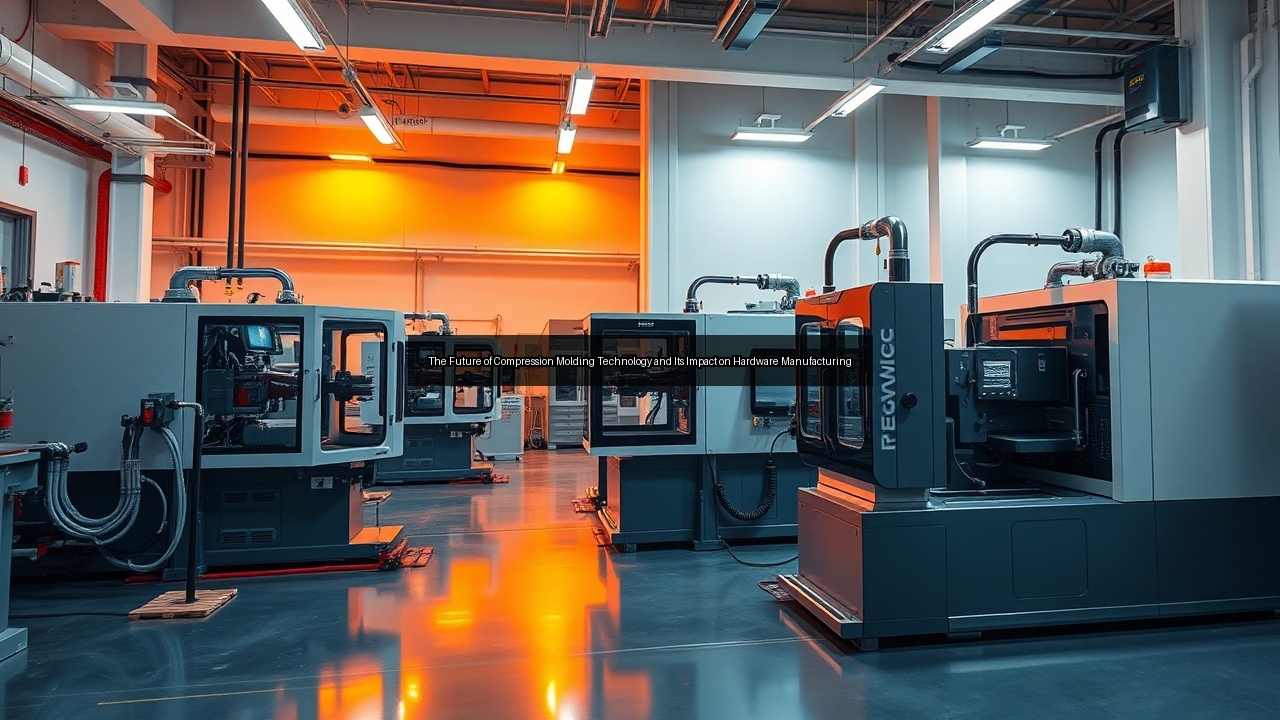
Manufacturers rely on compression molding processes to shape raw materials under heat and pressure into durable components. The compression molding process places preheated plastic or rubber into an open compression mold, then closes it to force the material into the desired form. This method excels at producing large, thick parts that demand high strength without complex internal features. Hardware producers apply these techniques to create reliable fittings and seals that withstand heavy use. Compression molding services streamline production runs by minimizing waste and delivering consistent results across batches. Engineers fine-tune cycle times and temperatures to match specific material behaviors, ensuring each part meets exact tolerances. The approach supports both thermoset and thermoplastic options, giving fabricators flexibility in hardware applications where toughness matters most.
Key Components: Compression Molds and Their Design
Compression molds form the core of every successful operation. Designers craft these tools from hardened steel to endure repeated high-pressure cycles without distortion. Proper design accounts for material flow, venting, and part ejection to prevent defects like voids or flash. Compression mold geometry directly influences final part accuracy, especially in hardware items that require precise dimensions. Manufacturers collaborate with mold makers to incorporate features such as draft angles and parting lines that ease demolding. Advanced simulation software helps predict how plastics behave inside the cavity, reducing trial-and-error runs. A well-engineered compression mold extends service life and lowers long-term tooling costs for hardware fabricators.
The Role of Materials in Compression Molding
Material selection drives performance in compression molding. Engineers choose plastics and elastomers based on heat resistance, chemical compatibility, and mechanical strength needed for specific hardware uses. Thermosetting resins cure permanently under pressure, creating rigid parts that hold shape even at elevated temperatures. Thermoplastics offer recyclability and faster cycles when the application allows. Additives like glass fibers or mineral fillers boost stiffness and wear resistance in compression molded components. Hardware manufacturers test compounds thoroughly to verify they meet load and environmental demands. Compression molding services often stock multiple formulations so clients can match materials precisely to end-use conditions without compromising fabrication speed.
Current Trends in Compression Molding Services
Advancements in Compression Molding Techniques
New techniques improve cycle efficiency and part quality in compression molding services. Multi-stage heating systems allow precise temperature ramps that reduce internal stresses in thick sections. Vacuum-assisted compression molding processes pull air from the mold cavity before closure, eliminating trapped gases that cause surface imperfections. Hybrid methods combine compression with slight shear to enhance fiber alignment in reinforced plastics. Hardware producers benefit from these refinements through stronger, lighter components that replace heavier metal parts. Continuous monitoring of pressure and temperature profiles lets operators adjust parameters in real time, minimizing scrap rates. These advancements keep compression molding competitive for medium-volume hardware runs where injection molding may prove too costly.
Integration of Automation in Compression Molding
Automation transforms compression molding services by handling repetitive tasks with greater consistency. Robotic loaders place charges into compression molds at exact intervals, while automated presses control force application throughout the cycle. Vision systems inspect finished parts for flash or dimensional drift before they leave the cell. Integrated conveyors move compression molded hardware directly to secondary operations like trimming or assembly. Data collection from every cycle feeds predictive maintenance models that reduce unplanned downtime. Manufacturers gain higher throughput and lower labor costs while maintaining tight quality standards on seals and fittings. Automation also supports lights-out production shifts, extending machine utilization for growing hardware demand.
Sustainability in Compression Molding: Eco-Friendly Practices
Eco-friendly practices reshape compression molding services as manufacturers seek lower environmental impact. Recycled content in plastics reduces virgin resin use without sacrificing mechanical properties in many compression molded parts. Closed-loop water systems cool molds efficiently and cut consumption. Energy-efficient presses with servo drives lower electricity draw during idle periods. Hardware fabricators now request bio-based elastomers for o-ring production where performance allows. Waste streams from trimming get reprocessed into new charges, diverting material from landfills. Compression molding services track carbon metrics to help clients meet regulatory targets while delivering durable components.
Comparative Analysis: Compression Molding vs. Injection Molding
Cost Efficiency and Production Speed
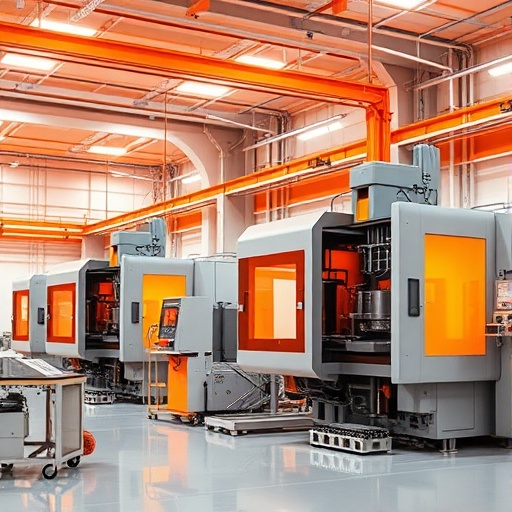
Compression molding often delivers better cost efficiency for larger parts or lower volumes compared with plastic injection molding. Tooling for a compression mold costs less because it avoids intricate runner systems and high-pressure requirements. Cycle times run longer than injection molding, yet setup remains simpler and material waste stays minimal. Hardware manufacturers choose compression molding services when part size exceeds injection press limits or when thick walls demand uniform density. Injection molding wins on speed for high-volume runs of small, detailed components. The break-even point depends on annual quantities and part complexity, guiding fabricators toward the process that balances tooling investment with per-piece economics.
Material Versatility and Application
Material versatility differs sharply between the two methods. Compression molding handles high-viscosity compounds and long-fiber reinforcements that injection molding struggles to flow. Rubber and certain thermosets mold cleanly under compression, suiting applications like compression fittings and o-rings. Plastic injection molding processes lower-viscosity thermoplastics into thin, intricate geometries at high speed. Hardware producers match the process to the material demands of each component. Compression molding services accommodate filled plastics that retain strength after molding, while injection excels with unfilled grades needing fast cycles. Both techniques support engineering resins, yet compression provides broader latitude for specialty elastomers used in demanding hardware environments.
Quality Control in Molding Processes
Quality control procedures adapt to each molding method. Compression molding allows direct visual inspection of charges before closure, catching contaminants early. Pressure and temperature logs verify cure consistency across compression molded hardware. Injection molding relies on cavity pressure sensors and automated vision to detect short shots or flash. Both approaches use statistical process control to maintain tolerances on critical dimensions. Compression molding services often perform post-mold deflashing and hardness checks to ensure o-ring performance. Manufacturers document every lot so hardware customers receive traceable parts that meet industry specifications without hidden defects.
Applications of Compression Molding in Hardware Manufacturing
Use Cases in the Food and Beverage Industry
Compression molding supplies critical components for food and beverage equipment. Gaskets and seals produced through compression molding processes resist cleaning chemicals and temperature swings inside processing lines. Manufacturers create durable valve seats and pump diaphragms that maintain hygiene standards. Compression molded parts avoid the knit lines common in injection molding, reducing contamination risks. Hardware fabricators deliver these items with FDA-compliant materials that withstand daily sanitation cycles. Compression molding services support custom profiles for mixers and fillers where standard o-ring sizes fall short. The resulting parts extend equipment uptime and protect product integrity throughout production.
Medical Applications: Compression Molding for Medications
Medical device manufacturers use compression molding for components that contact medications. Silicone diaphragms and stoppers molded under compression deliver consistent compression set resistance for repeated use. The process accommodates low-extractable compounds required in drug delivery systems. Compression molds produce smooth surfaces that minimize particle shedding into sensitive formulations. Hardware suppliers provide these parts with full traceability and cleanroom fabrication options. Compression molding services also form larger housings for diagnostic equipment where dimensional stability under sterilization matters. The method supports both prototype volumes and scaled production for pharmaceutical hardware needs.
O-Rings and Seals: Essential Components in Hardware
O-rings and seals represent core hardware products made via compression molding. The process creates uniform cross-sections without flow-induced weak spots that can appear in injection molded elastomers. Compression molded o-rings maintain sealing force across wide temperature ranges in pumps, valves, and cylinders. Manufacturers select compounds for oil resistance, ozone tolerance, or food-grade certification based on end use. Compression molding services offer rapid tooling changes for custom diameters and profiles. Hardware assemblers depend on these seals for leak-free performance in industrial machinery. Consistent quality from the compression molding process reduces field failures and warranty claims on finished equipment.
The Future Landscape of Compression Molding Technology
Emerging Innovations in Compression Molding Services
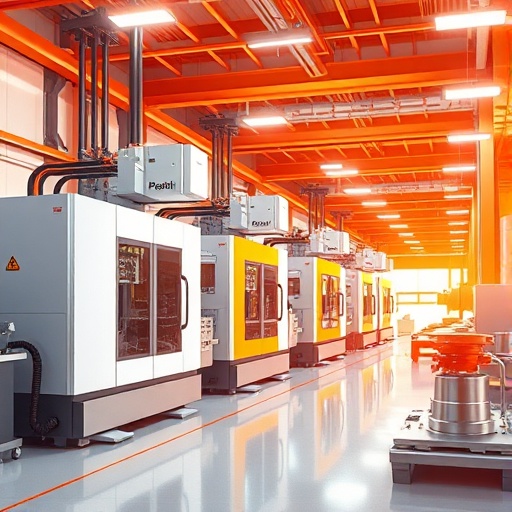
Emerging innovations expand compression molding service capabilities. Additive manufacturing now produces hybrid compression molds with conformal cooling channels that shorten cycle times. Smart sensors embedded in molds track material cure in real time and feed adjustments to the press controller. Nano-enhanced plastics increase wear resistance in compression molded hardware without added weight. These developments let manufacturers tackle applications previously reserved for metal fabrication. Compression molding services integrate digital twins to simulate entire production runs before the first physical part ships. The result is faster iteration and higher first-pass yield on complex seals and fittings.
Impact of Industry 4.0 on Manufacturing Practices
Industry 4.0 connectivity reshapes manufacturing practices around compression molding. Cloud platforms aggregate data from multiple presses to optimize scheduling across compression molding services. Digital work instructions guide operators through setup while capturing every parameter for traceability. Predictive analytics flag tooling wear before defects appear in hardware parts. Augmented reality overlays assist technicians during mold changes, reducing errors. Manufacturers link compression molding cells directly to enterprise resource planning systems for live inventory visibility. This integration improves responsiveness to hardware customer orders and supports just-in-time delivery models.
Predicted Market Growth and Opportunities for Manufacturers
Market analysts forecast steady growth in compression molding driven by demand for lightweight, durable hardware. Automotive and industrial sectors seek compression molded parts to replace heavier assemblies and meet efficiency targets. Compression molding services that invest in automation and sustainable materials position themselves for expanded contracts. New opportunities arise in electric vehicle battery enclosures and renewable energy equipment where thick-section plastics excel. Manufacturers who master advanced compression molding processes gain competitive edges through lower costs and faster development cycles. Continued material science progress will open additional hardware niches for compression molded components over the coming decade.
See Also
- Top Benefits of Utilizing Compression Molding Services for Custom Plastic Solutions
- How Compression Molded Plastics are Revolutionizing the Food and Beverage Industry
- Exploring the Versatility of Compression Molding in O-Ring Production
- Innovative Applications of Compression Molding Services in Medical Device Manufacturing
- The Art of Design in Compression Molding Processes for Precision Parts