Common Mistakes in Ductwork Fabrication and How to Avoid Them
Understanding Ductwork Fabrication
Overview of the Fabrication Process
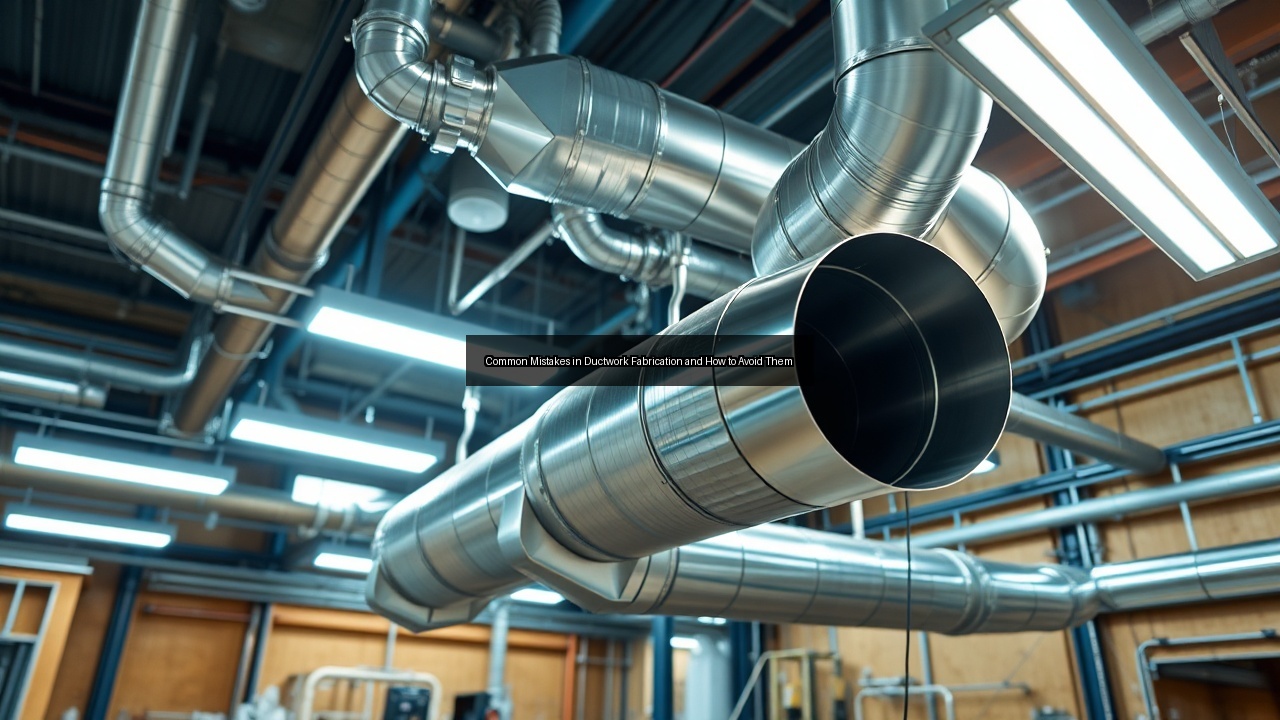
Ductwork fabrication involves creating a network of ducts that efficiently transport air throughout a building's HVAC system. The fabrication process typically starts with designing the duct system based on the specific needs of the building. Engineers and technicians evaluate factors such as building size, airflow requirements, and layout to create a detailed plan. Once the design is complete, raw materials, often sheet metal, are cut and shaped into the required duct configurations. The components are then assembled, either by welding, sealing, or using mechanical fasteners. This method ensures that the air ducts fit seamlessly into the overall HVAC system, optimizing air flow and energy efficiency.
Importance of Accurate Measurements
Accuracy in measurements during ductwork fabrication is crucial. Inaccurate dimensions can lead to a host of problems, including poor airflow, increased energy costs, and even system failures. HVAC systems rely on precise duct sizes to maintain optimal air flow and pressure. Miscalculations can cause ducts to be too large or too small, leading to inefficient heating and cooling. It’s essential to use reliable tools and techniques for measuring lengths and areas during the fabrication process. By prioritizing accuracy, fabricators can ensure that the finished ducts integrate smoothly with existing HVAC systems while providing the necessary air distribution.
Common Materials Used in Duct Fabrication
Fabricators use a variety of materials in ductwork fabrication, with sheet metal being the most common. This material is favored for its durability, ease of installation, and ability to withstand high pressure and temperature variations. Other materials, such as fiberglass and flexible plastic, also find applications in specific contexts. Fiberglass ducts offer excellent insulation properties, while flexible plastic ducts are lightweight and easy to install in tight spaces. Understanding the characteristics and benefits of these materials helps fabricators choose the right option for each project, ensuring optimal performance and longevity of the duct systems.
Common Mistakes in Ductwork Fabrication
Inaccurate Length Calculations
One of the most common mistakes in ductwork fabrication is inaccurate length calculations. Fabricators often rely on templates or standard measurements, which can lead to discrepancies if not closely examined. Even a small error in length can disrupt the entire duct system, leading to gaps or overlaps that compromise airflow. To mitigate this issue, taking the time to double-check all measurements is essential. Utilizing advanced tools, such as laser measuring devices, can enhance accuracy. This attention to detail prevents costly rework and ensures that the ducts fit perfectly within the designated spaces.
Poor Airflow Design
Poor airflow design significantly impacts the efficiency of HVAC systems. Ducts must be designed to provide a balanced air distribution throughout the building. Common pitfalls include inadequate sizing, sharp bends, and obstructions that hinder airflow. Each of these factors can create pressure drops, resulting in uneven heating or cooling. To create an effective airflow design, engineers should consider the layout of the building, the placement of ducts, and the expected usage of each space. A thoughtful design approach maximizes efficiency and comfort, ensuring that every area receives the appropriate amount of conditioned air.
Neglecting Duct Insulation
Neglecting to insulate ducts is another frequent mistake that can lead to significant energy loss. Uninsulated ducts allow conditioned air to lose heat in the winter and gain heat in the summer, forcing HVAC systems to work harder and consume more energy. Proper insulation helps maintain consistent temperatures within the ducts, enhancing energy efficiency. Fabricators should select suitable insulation materials based on the environment and specific requirements. By prioritizing insulation during the fabrication process, they can help reduce energy costs and improve overall system performance.
Strategies to Avoid Fabrication Mistakes
Utilizing Duct Fabrication Calculators
Using duct fabrication calculators simplifies the design process and minimizes errors. These tools allow fabricators to input specific dimensions and parameters, receiving accurate calculations for duct sizes, lengths, and airflow requirements. By leveraging technology, fabricators can ensure that their designs meet industry standards and optimize performance. Many calculators also account for factors such as friction loss and pressure drops, providing a comprehensive overview of the system's efficiency. Incorporating these calculators into the fabrication process can save time and resources while improving the overall quality of the duct systems.
Implementing Quality Control Measures
Implementing robust quality control measures during ductwork fabrication is vital for maintaining high standards. Regular inspections and testing at various stages of the fabrication process help identify and address issues early. Establishing clear quality benchmarks ensures that each duct meets the required specifications. Fabricators should not only focus on the final product but also on the processes that lead to it. Training staff in best practices and maintaining open lines of communication among teams fosters a culture of quality. This proactive approach reduces the likelihood of mistakes and enhances the reliability of the final duct systems.
Hiring Professional Duct Fabrication Services
Engaging professional duct fabrication services can significantly reduce the risk of errors. Experienced fabricators bring expertise and knowledge that ensure high-quality results. They understand the intricacies of duct design, airflow requirements, and material selection. Moreover, professionals have access to advanced tools and technologies that streamline the fabrication process. By outsourcing to specialists, businesses can focus on their core operations while ensuring that their HVAC systems are installed correctly and efficiently. This collaboration often leads to better overall performance and long-term satisfaction with the ductwork systems.
Benefits of Proper Ductwork Fabrication
Improved HVAC Efficiency
Proper ductwork fabrication directly enhances HVAC efficiency. Accurate measurements, quality materials, and effective designs create a duct system that optimally channels air throughout the building. This efficiency translates into lower energy bills, as the HVAC system operates less frequently yet maintains desired temperatures. Improved airflow reduces strain on the system, extending its lifespan and minimizing the need for repairs. Homeowners and businesses alike benefit from a well-fabricated duct system that supports their heating and cooling needs without excessive energy consumption.
Enhanced Airflow and Comfort
Well-fabricated ducts provide enhanced airflow and comfort, ensuring that every room receives adequate heating and cooling. Properly designed duct systems prevent hot or cold spots, creating a consistent indoor environment. This uniformity is crucial for maintaining comfort levels in living and working spaces. When air flows smoothly through the ducts, occupants experience better air quality and a healthier atmosphere. Additionally, effective airflow reduces noise levels associated with HVAC systems, creating a more peaceful environment.
Long-term Cost Savings
Investing in proper ductwork fabrication yields long-term cost savings. Efficient ducts lower energy consumption, resulting in reduced utility bills. Furthermore, high-quality fabrication minimizes the chances of significant repairs and replacements down the line. When duct systems operate effectively, they require less maintenance, allowing businesses and homeowners to allocate resources elsewhere. Over time, these savings compound, making the initial investment in quality ductwork both financially smart and environmentally responsible.