How to Achieve Optimal Filtration with Custom Dust Systems
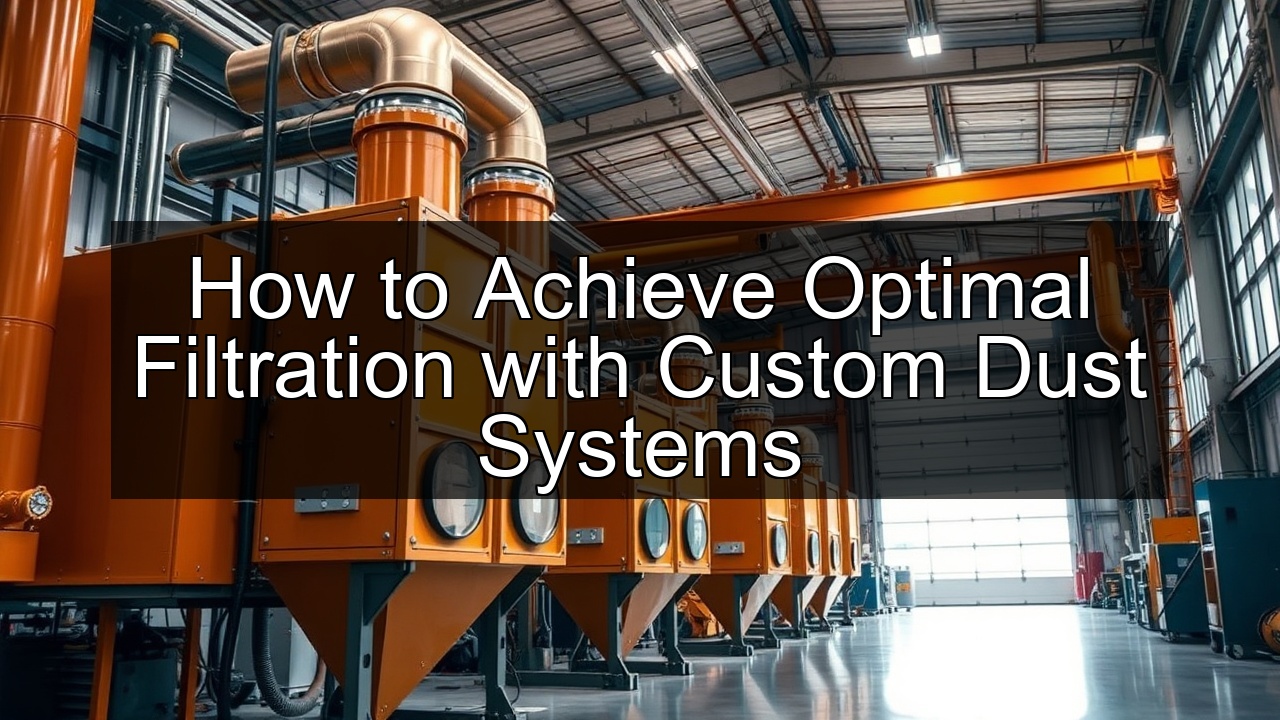
Understanding Custom Dust Collectors
The Role of Engineering in Custom Dust Systems
Engineering plays a pivotal role in the development and implementation of custom dust collectors. These specialized systems are designed to meet the unique needs of various industries, particularly in manufacturing, where dust generation can hinder both productivity and worker safety. Engineers assess the specific dust types produced, the volume of particulates, and the operational environment to tailor a dust collection system that ensures optimal filtration. By leveraging advanced technology and innovative design, engineers create solutions that maximize airflow efficiency, minimize noise levels, and enhance overall performance. This meticulous engineering process translates to systems that are not only efficient but also cost-effective over collectors of dust the long term, allowing manufacturers to focus on their core operations without distraction.
Types of Custom Dust Collectors: Cyclone vs. Cartridge
Choosing the right type of custom dust collector significantly impacts dust control effectiveness. Cyclone dust collectors utilize centrifugal force to separate larger particulates from the air, making them ideal for high-volume dust loads commonly found in heavy manufacturing settings. Their design allows for minimal maintenance and continuous operation, effectively reducing downtime. On the other hand, cartridge dust collectors excel in filtering finer particles, utilizing advanced filtration technology to capture dust that would otherwise escape into the atmosphere. This makes them suitable for environments where air quality is critical. Manufacturers often opt for a combination of both systems, integrating them into a comprehensive dust collection system that addresses various filtration needs while ensuring compliance with OSHA and environmental controls.
Key Components of Dust Collection Systems
A well-designed custom dust collection system comprises several key components that work in harmony to achieve optimal filtration. At the heart of the system lies the dust collector itself, which features filters tailored to capture specific types of particulates. Ductwork channels dust-laden air from work areas to the collector, and the design of this ductwork plays a crucial role in airflow efficiency. Additionally, hoppers and bins collect the separated dust for easy disposal or recycling. Automation technology enhances system performance by monitoring air quality and adjusting operational parameters in real-time. This integration of automation not only improves filtration efficiency but also contributes to energy-saving solutions, reducing operational costs while maximizing productivity.
Designing Efficient Filtration Systems
Factors Influencing Filtration Efficiency
Filtration efficiency hinges on several critical factors that must be carefully considered during the design of a custom dust collection system. First, the type of filter used significantly influences performance. Filters must be compatible with the specific dust type, ensuring they capture the maximum amount of particulates while allowing adequate airflow. The filter's surface area also matters; larger surface areas facilitate higher airflow rates and longer intervals between maintenance. Additionally, the velocity of the air entering the dust collector must be optimized to prevent dust from settling in the ductwork. Engineers must analyze various factors, including the characteristics of the dust, the operating conditions, and the required air quality standards, to design a filtration system that achieves the desired efficiency and effectiveness.
Integrating Automation for Optimal Performance
Integrating automation into custom dust collection systems enhances operational efficiency and filtration performance. Automated systems utilize sensors to monitor dust levels, air quality, and filter conditions, allowing for real-time adjustments to maintain optimal performance. For instance, when dust accumulation reaches a certain threshold, the system can automatically initiate a filter cleaning cycle, ensuring continuous operation without manual intervention. Automation also facilitates better control over airflow rates, reducing energy consumption while maintaining compliance with air quality standards. This technological advancement not only streamlines dust management processes but also elevates workplace safety by ensuring cleaner air for employees. Manufacturers investing in automated dust extraction systems can expect significant improvements in productivity and operational reliability.
Space Considerations for Dust Collection Systems
When designing custom dust collection systems, space considerations play a crucial role. Manufacturers must evaluate the available workspace and determine the optimal layout for the dust collector, ductwork, and other components. A well-planned arrangement minimizes airflow resistance and maximizes efficiency, ensuring that the dust collection system operates effectively within the constraints of the facility. Compact designs are particularly beneficial in environments where floor space is limited. Furthermore, modular dust collectors allow for easy expansion or reconfiguration as manufacturing needs change. By prioritizing space efficiency without compromising performance, manufacturers can implement dust control systems that support operational goals while adhering to safety and environmental regulations.
Operational Excellence in Dust Control
Maintenance and Quality Control for Longevity
Regular maintenance and quality control are essential for ensuring the longevity of custom dust collectors. Manufacturers must establish a robust maintenance schedule that includes routine inspections of filters, ducts, and other critical components. Neglecting maintenance can lead to reduced filtration efficiency, increased energy consumption, and even equipment failure. Implementing a preventive maintenance program helps identify issues before they escalate, prolonging the lifespan of the dust collection system. Quality control measures should also encompass the selection of high-quality materials and components, ensuring that the system withstands the rigors of industrial operation. By prioritizing maintenance and quality control, manufacturers can achieve a reliable dust control solution that enhances productivity and worker safety.
Energy-Saving Solutions in Dust Collection
Energy-saving solutions play a vital role in the operation and maintenance of custom dust collection systems. Manufacturers increasingly seek ways to reduce energy consumption while maintaining effective dust control. Variable frequency drives (VFDs) on fans allow for precise control of airflow, adjusting motor speed according to the dust load. This not only conserves energy but also extends the life of the equipment. Additionally, employing energy-efficient filters reduces resistance, further optimizing system performance. Implementing these energy-saving solutions not only lowers operational costs but also aligns with sustainability efforts. By investing in energy-efficient dust collection systems, manufacturers contribute to a cleaner environment while benefiting from reduced energy expenses.
Compliance with OSHA and Environmental Standards
Compliance with OSHA and environmental standards is non-negotiable for manufacturers operating dust collection systems. These regulations set forth strict guidelines regarding air quality and worker safety, necessitating the implementation of effective dust control measures. Custom dust collectors must be designed to meet or exceed these standards, ensuring that airborne dust levels remain within permissible limits. Regular monitoring and reporting of air quality data help demonstrate compliance, providing valuable information for continuous improvement. By prioritizing compliance, manufacturers not only safeguard the health and safety of their workers but also protect their organizations from potential legal repercussions. A commitment to adhering to regulatory standards fosters a culture of safety and responsibility within the workplace.
Enhancing Air Quality and Worker Safety
Impact of Dust Collectors on Air Pollution Control
Custom dust collectors significantly impact air pollution control, contributing to cleaner air in industrial environments. By effectively capturing harmful particulates before they can escape into the atmosphere, these systems play a vital role in safeguarding both worker health and the environment. Advanced filtration technologies ensure high levels of particulate removal, reducing the overall dust load in the workplace. This not only improves air quality but also enhances employee well-being, promoting a safer work environment. Manufacturers who invest in state-of-the-art dust extraction systems demonstrate their commitment to responsible operations and environmental stewardship, fostering a positive reputation in the industry.
Advancements in Filtration Technology
Recent advancements in filtration technology continue to shape the landscape of custom dust collectors. Innovations such as nanofiber filters, electrostatic precipitators, and advanced cartridge designs allow for higher efficiency and better dust capture rates. These technologies enable dust collectors to effectively target specific particulates, providing tailored solutions for diverse manufacturing needs. The integration of smart technologies, such as predictive maintenance and real-time monitoring, further enhances system performance. These advancements not only improve filtration efficiency but also reduce operational costs, making modern dust collection systems more effective than ever. Manufacturers who adopt these innovative solutions gain a competitive edge while ensuring compliance with stringent air quality regulations.
Best Practices for Dust Management in Manufacturing
Implementing best practices for dust management is essential for maximizing the effectiveness of custom dust collectors. Regular training for employees on the importance of dust control and proper equipment use promotes a culture of safety and accountability. Establishing clear protocols for dust handling, storage, and disposal minimizes the risk of dust accumulation. Furthermore, periodic assessments of the dust collection system's performance help identify areas for improvement, ensuring that the system remains compliant with evolving regulations. By fostering a proactive approach to dust management, manufacturers can enhance air quality, improve worker safety, and boost overall productivity within their facilities.
See Also
- The Importance of Quality Control in Custom Dust Collector Manufacturing
- Boost Productivity and Compliance with Specialized Dust Collection Solutions
- Creating Safer Work Environments through Tailored Dust Extraction
- The Benefits of Portable Custom Dust Collectors for On-the-Go Projects
- Maximize Your Space with Customized Dust Collection Systems